Ponte Vedra Beach began as Mineral City, a 1910s sand-mining camp, and became a resort from 1928. Its two National Register listings, Mickler's Landing and museums.
Last checked Oct. 10, 2026. Sources: the Beaches Museum, the area’s history museum; the Ponte Vedra Inn & Club and Lodge & Club history page; the National Park Service’s National Register of Historic Places data (file of May 22, 2026); and St. Johns County’s Mickler’s Landing page.
Ponte Vedra Beach was a mining camp before it was a resort. Minerals were found in the dunes in 1912, the area became known as Mineral City, and when mining paid less, its owner, the National Lead Company, turned to real estate and a new name. Resort life began in 1928 with the opening of The Ponte Vedra Club. Ponte Vedra Beach has never incorporated; it is governed by St. Johns County. For local history research, contact the Beaches Museum at 904-241-5657.
Visit the history
- Beaches Museum: 381 Beach Blvd., Jacksonville Beach; 10 a.m. to 4 p.m. Tuesday to Saturday, noon to 4 p.m. Sunday, closed Monday; 904-241-5657
- GTM Research Reserve Visitor Center: 505 Guana River Road; 9 a.m. to 4 p.m. Tuesday to Saturday; exhibits on the area’s coast and estuary; 904-380-8600
- Mickler’s Landing Beachfront Park: a St. Johns County beach park; its history is on the county’s park page
From Mineral City to Ponte Vedra
- 1912: “a vein rich in minerals” was discovered in the dunes, according to the resorts’ history.
- Mining years: the National Lead Company mined minerals from the sand, and there were “as many mules as people in Mineral City,” the Beaches Museum says. Its collection includes a photo of the Buckman & Pritchard sand plant at Mineral City from about 1922.
- The new name: as mining became less profitable, the company brought in the Telfair Stockton Company to develop the land. The museum says an article about Pontevedra, Spain, and its claim to be Columbus’s birthplace, which is inaccurate, swayed the choice of the name.
- 1928: The Ponte Vedra Club opened; it became the Ponte Vedra Inn & Club in 1983, the resorts say. The museum says 1928 was when the landowners set up plans for serious resort development.
- Coastal road: as homes went up, the state finished the road south from Jacksonville Beach to St. Augustine, the last segment of the East Coast Scenic Highway, the museum says.
- 1941-1947: New York banker Tommy Sabin built The Innlet, a seasonal hotel 1.5 miles south of the Inn, in 1941; the Inn bought it four years later and added 30 apartments in 1947.
- 1942: National Lead Company sold its interest to the locally run Ponte Vedra Beach Corporation, after which the area grew into a year-round community, the museum says.
- 1943: a museum photo shows U.S. Coast Guard members stationed in Ponte Vedra on Aug. 15, 1943.
- 1989 and 1997: The Fletcher Company opened The Lodge & Bath Club on The Innlet site in 1989; in 1997 it became The Lodge & Club, run with the Inn.
National Register of Historic Places
The National Park Service lists two properties in Ponte Vedra Beach:
| Property | Listed | What it is |
|---|---|---|
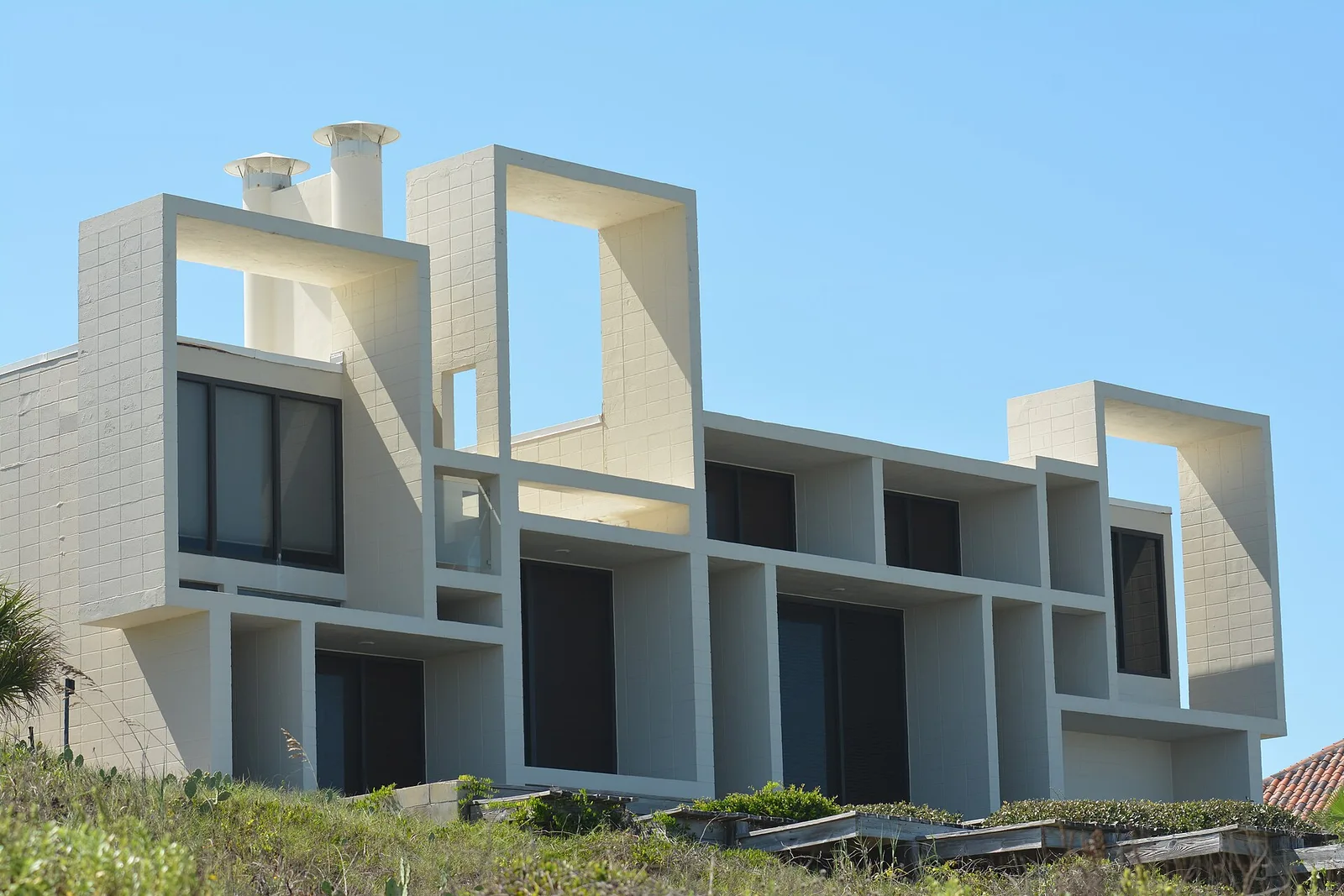
| Arthur Milam House, 1033 Ponte Vedra Blvd. | June 7, 2016 | A 1962 oceanfront house in the Modern Movement style by architect Paul Rudolph, listed for its architecture |
| Shell Bluff Landing (site 8SJ32) | April 25, 1991 | An archaeological site with periods of significance from prehistoric times into the 19th century; address restricted |
The Milam House is a private home and not open to visitors; view it only from the public road. Shell Bluff Landing’s location is restricted to protect the site.
Mickler’s Landing
St. Johns County’s history of Mickler’s Landing Beachfront Park says the park is named for the Mickler family, in St. Johns County since the 1820s and first settled in Palm Valley. In the 1930s the family and neighbors built a 600-foot pier there for fishing, and in the 1960s the family sold the land to the county, which made it a public beach access named in their honor. The county also says the stretch of coast was known to Spanish explorers in the 16th and 17th centuries.
Palm Valley Bridge
The old Palm Valley drawbridge over the Intracoastal Waterway was demolished and replaced by today’s high, fixed-span bridge in 2002, according to the U.S. Army Corps of Engineers’ photo record of the old bridge. See our getting around guide.
What this means for you
- The Beaches Museum in Jacksonville Beach holds Ponte Vedra Beach photos and records; its reading room is free to members by appointment.
- Respect private property: the Milam House is a residence.
- See our population guide for how the area has grown since 2010.
Frequently asked questions
How did Ponte Vedra Beach get its name?
When mining slowed, the National Lead Company and developers renamed the mining settlement of Mineral City. The Beaches Museum says an article about Pontevedra, Spain, and its claim, which is inaccurate, to being Christopher Columbus’s birthplace swayed the choice.
When was Ponte Vedra Beach founded?
Minerals were found in the dunes in 1912, according to the Ponte Vedra resorts, and the mining camp became known as Mineral City. Resort life dates to 1928, when The Ponte Vedra Club opened. Ponte Vedra Beach has never incorporated as a city.
What National Register of Historic Places sites are in Ponte Vedra Beach?
Two, according to the National Park Service: the Arthur Milam House at 1033 Ponte Vedra Blvd., listed June 7, 2016, and the Shell Bluff Landing archaeological site, listed April 25, 1991, whose address is restricted.
Who is Mickler’s Landing named after?
The Mickler family, in St. Johns County since the 1820s, who built a 600-foot pier there in the 1930s and sold the land to the county in the 1960s, St. Johns County says.
Have your say